

Job Offer:
Student Assistant (SHK/WHF)
We are looking for a student Assistant (m/f/d) for 10 hours per week.
Starting date: as soon as possible
Application Deadline: 26.04.2026

Lecture:
Brain and Beyond: Emotional AI – What Does It Mean for Our Humanity?
Thursday, December 18, 2025
19 Uhr @ DZNE Venusberg Campus
Artificial intelligence is developing rapidly—and with it grow the questions about its impact on our society, our values, and our understanding of ourselves as human beings.

Lecture:
Dr. Chelsea Haramia as Guest at the Research Colloquium of the Max Planck Institute for Radio Astronomy
Dr. Chelsea Haramia from the Center for Science and Thought will be a guest in the research colloquium of the Max Planck Institute for Radio Astronomy on November 20, 2025, at 3:00 p.m. In her English-language lecture entitled “Ethics for Post-Detection Scenarios and Pre-Detection Messaging,” she explores current ethical questions surrounding contact with extraterrestrial intelligence. The lecture offers critical insights into the philosophical, technical, and societal dimensions of a possible interstellar exchange.

Call for Papers:
"Irrationality and the Age of AI: Language, Ethics and the Future of Human Expression"
May 18-20, 2026, Conference of the University of Bonn
Im Rahmen des „Desirable AI“ Projekts – einer Zusammenarbeit zwischen der Rheinischen Friedrich-Wilhelms-Universität Bonn und der University of Cambridge – wird diese interdisziplinäre Konferenz die tiefgreifenden Auswirkungen von "Large Language Models" (LLMs), affektivem Computing und emotional reaktionsfähiger KI untersuchen. Während Maschinen sich in Bereiche begeben, die einst als rein menschlich galten – Emotionen, Kreativität, Irrationalität –, fragen wir: was bedeutet diese Entwicklung für Sprache, Ethik und die Zukunft des menschlichen Ausdrucks?
Deadline: December 1st, 2025

Seminarseries "Cross-Cultural Approaches to Desirable AI" received AI ELSI Award (Perspective Division) from the Japanese Society for Artificial Intelligence
On May 29, 2025, the seminar series titled Cross-Cultural Approaches to Desirable AI received the AI ELSI Award (Perspective Division) from the Japanese Society for Artificial Intelligence (JSAI).

Call for Applications
Student Panel: "Technological Futures Now: Racism, Imperialism, and the Surrogate Human Effect"
30. June/01.July 2025 at the Center for Science and Thought, Universität Bonn
Student Panel
How and through what means is the relationship between freedom and unfreedom changing in our technologized present? And what kinds of future visions can be formulated, particularly from feminist perspectives? We will discuss these questions together with the visiting professors Neda Atanasoski and Kalindi Vora and international speakers (Nishant Shah, Erin McElroy, additional speakers TBA) as part of the workshop “Technological Futures Now: Racism, Imperialism, and the Surrogate Human Effect,” which will take place on June 30 and July 1 at the CST of the University of Bonn.
Call for Applications:
Junior Fellowship Position
Job offer for a Junior Fellowship position in the project “Desirable AI: Rethinking A.I. for Just and Sustainable Futures” at the University of Bonn.
Start date: as soon as possible, ideally by August 2025
Duration: until March 2027, with the possibility of extension until August 2027

Tucano Project won First Place in Most Interesting Results Competition
The Tucano project won first place in the competition for the most interesting results achieved using the High Performance Computing (HPC) services of the University of Bonn. The competition took place during the event celebrating the first anniversary of Marvin, the university’s state-of-the-art Tier 3 HPC cluster. Tucano, a series of natively pre-trained large language models for Portuguese, is fully open source and was developed at the University of Bonn with the support of Marvin.

Job Offer:
WHF 8h/week – for the development and support of "Feminist AI"
To support the establishment and work of the interdisciplinary network Feminist AI, funded by the Central Gender Equality Officer’s fund for the structural anchoring of gender equality, we are looking for a Research Assistant (WHF) for 8 hours per week as soon as possible.
Application deadline: Feb. 27

Call for Papers:
Conference "Standardization of AI Ethics: Stakeholders, Values, and Profit"
With the EU AI Act entering into force under the New Legislative Framework, the standardization of AI technologies transitions from a conceptual goal to a legal mandate. In recent years, efforts have been made to evaluate the societal impacts of AI technologies beyond mere legal safeguards, aiming to “operationalize,” “standardize,” and even “certify” ethics. At the same time, actual ethical concerns regarding the operationalization of ethics have grown. In the forthcoming conference, our main questions focus on hidden stakeholders, values, and how profit-making might interfere with certifying and standardizing AI technologies.

Funding approved for Feminist AI interdisciplinary network
New interdisciplinary network approved
With the aim of strengthening networking and visibility for women* researchers at the University of Bonn and fostering a critical engagement with artificial intelligence (AI), the interdisciplinary network “Feminist AI” will launch at the University of Bonn in January 2025.
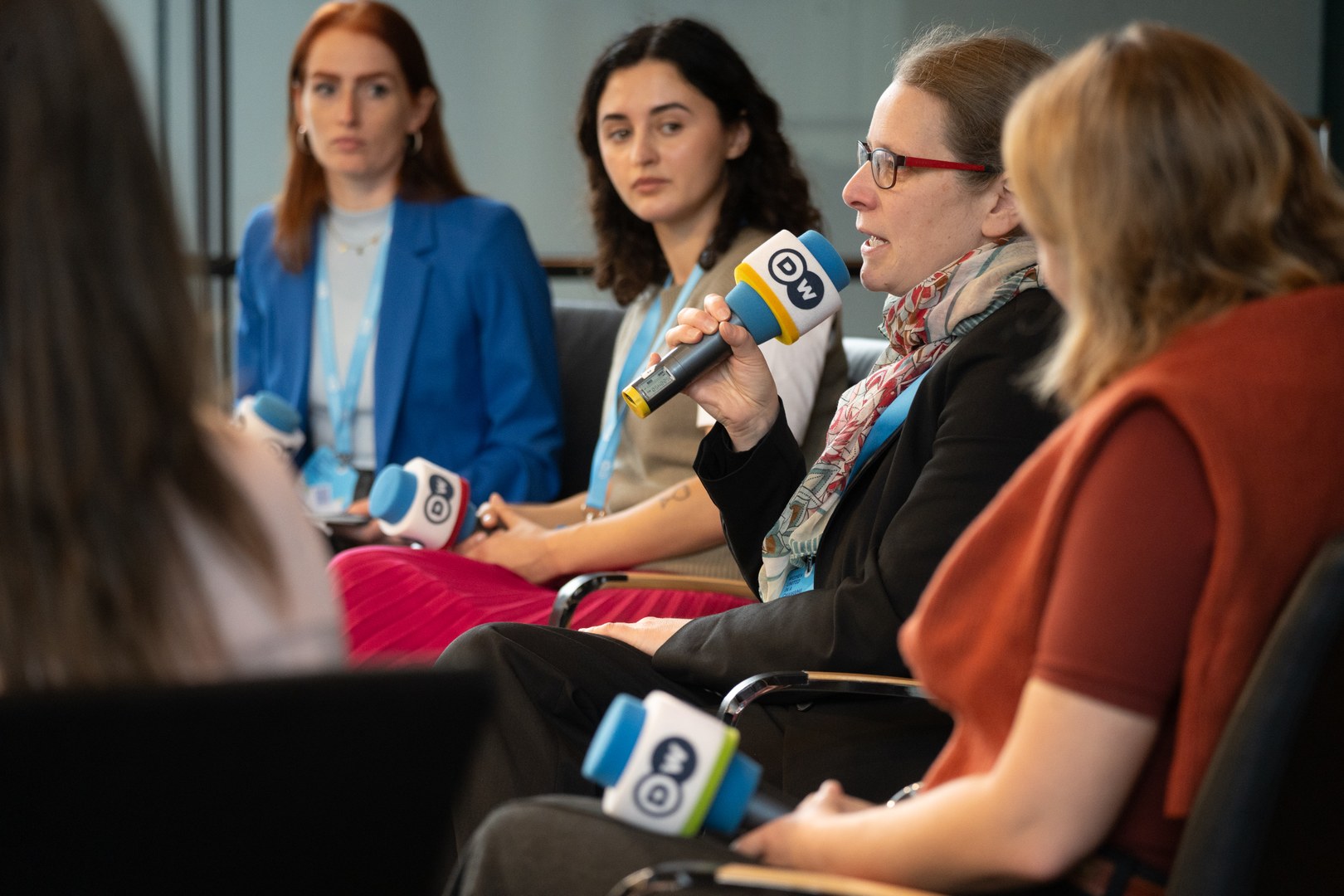
Dr. Julia Maria Mönig at the "Deutsche Welle"
Unter der Fragestellung "Benachteiligung vorprogrammiert? - Das Genderproblem der KI" diskutierte Dr. Julia Maria Mönig beim Herbsttreffen der Deutschen Medienfrauen über aktuelle Fälle von Diskriminierung und short-term-Probleme von Anwendungen Künstlicher Intelligenz sowie potentielle Chancen der Technologie.
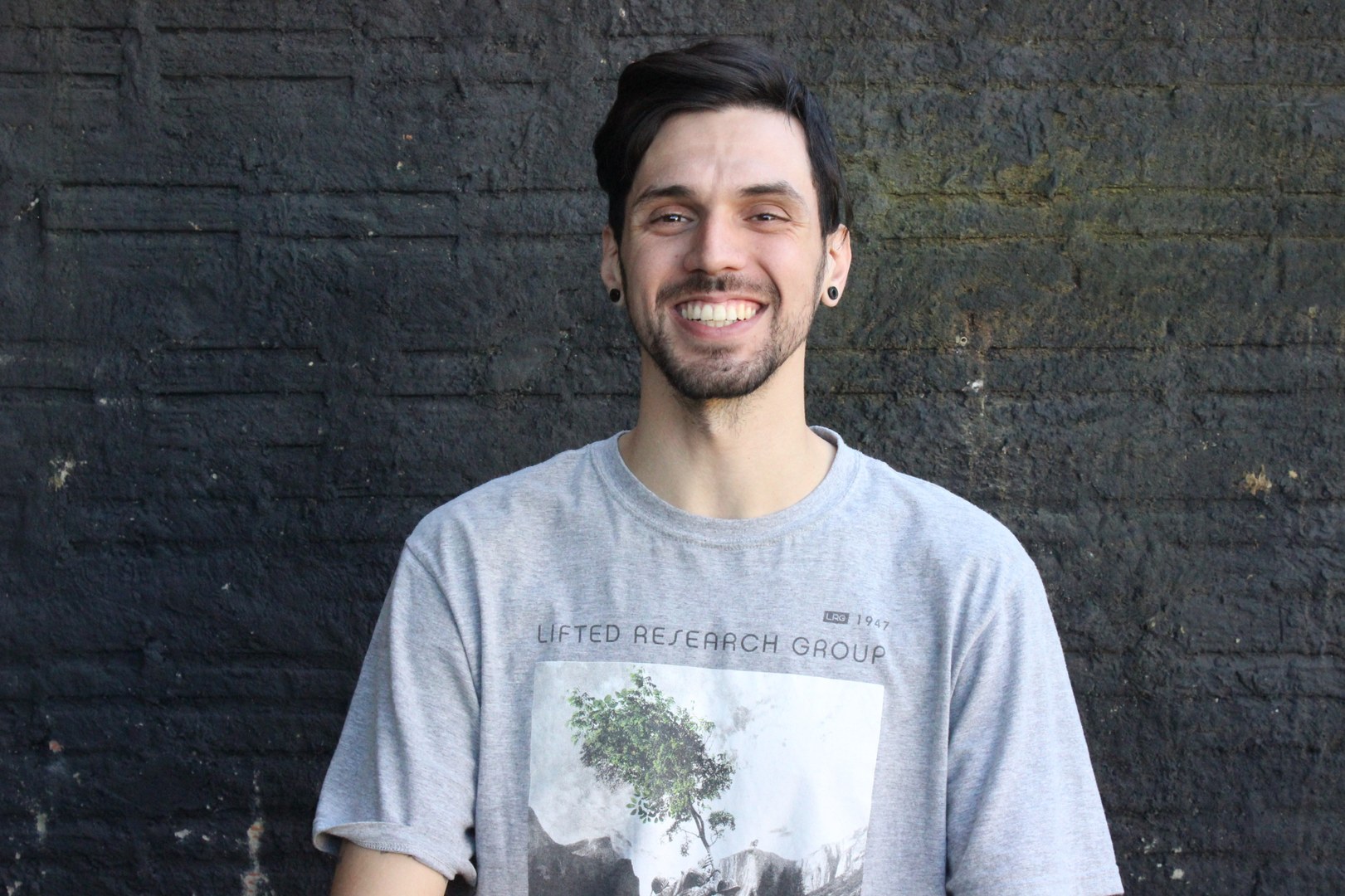
Nicholas Kluge Corrêa invited by OECD to contribute to developing AI ethics guidelines for Africa
Dr. Nicholas Kluge Corrêa, a postdoctoral AI researcher at the Center for Science and Thought, was invited by the OECD to participate in the African Union’s (AU) Artificial Intelligence (AI) Dialogue 2.0, titled “AI in Africa: From Strategy to Implementation.”
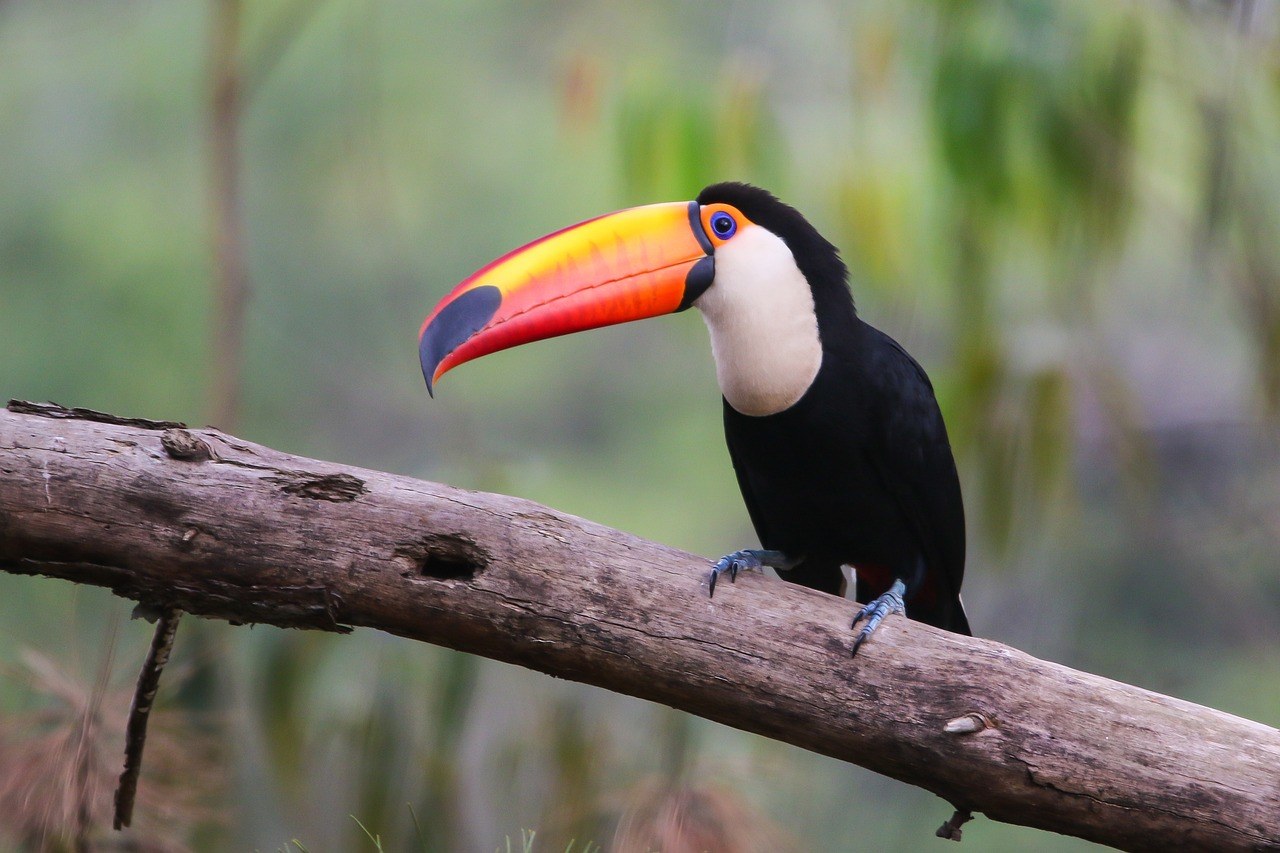
Tucano - New publication on Portuguese NLP
To advance the future of open development in neural text generation for Portuguese, Nicholas Kluge Corrêa and colleagues present both GigaVerbo, a concatenation of deduplicated Portuguese text corpora totaling 200 billion tokens, and Tucano, a series of decoder transformers natively pre-trained in Portuguese.
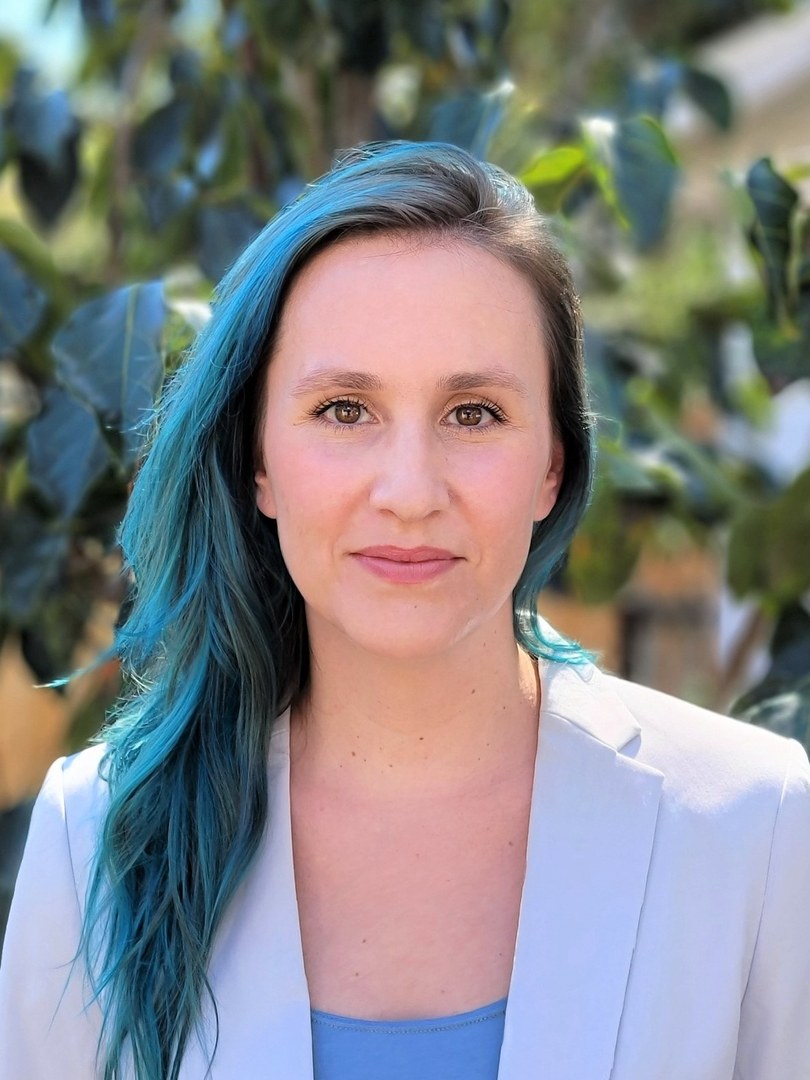
Chelsea Haramia a new Member of the Science Advisory Board of the SETI-Institute
Dr. Chelsea Haramia was appointed as a new member of the Science Advisory Board of the SETI Institute in California in August 2024. The institute is dedicated to the search for intelligent extraterrestrial life.